
Security review that enterprise buyers can actually scan.
HexaFit separates access, auditability, payments, migration, data handling, and integrations into clear review areas before a serious rollout.
Certification badges and formal policy documents should only publish after the underlying materials are approved. This page keeps the evaluation path visible without inventing claims.
Review packetAccess, audit, payments, migration, integrations
Built for procurement conversations that need clear ownership and scope.
Security review
Trust controls are presented as reviewable work, not vague promises.
Visual review
Security topics are easier to evaluate as workflows.
The diagrams below turn access, payments, migration, and integrations into buyer-review paths instead of long policy text.
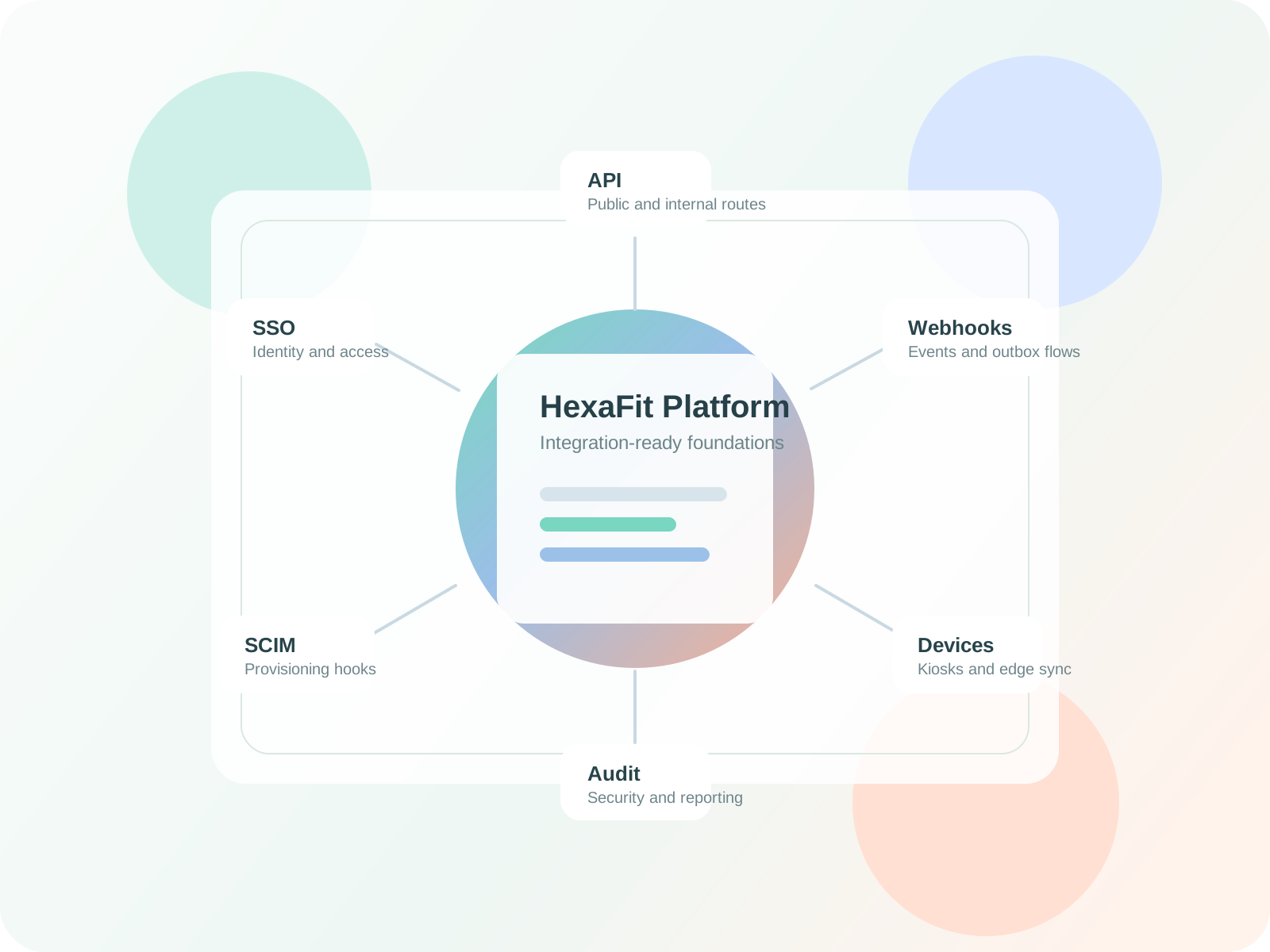
Identity + audit
Map access and activity before the rollout starts.
Buyers can review roles, admin scopes, activity visibility, and handoff expectations in one place.
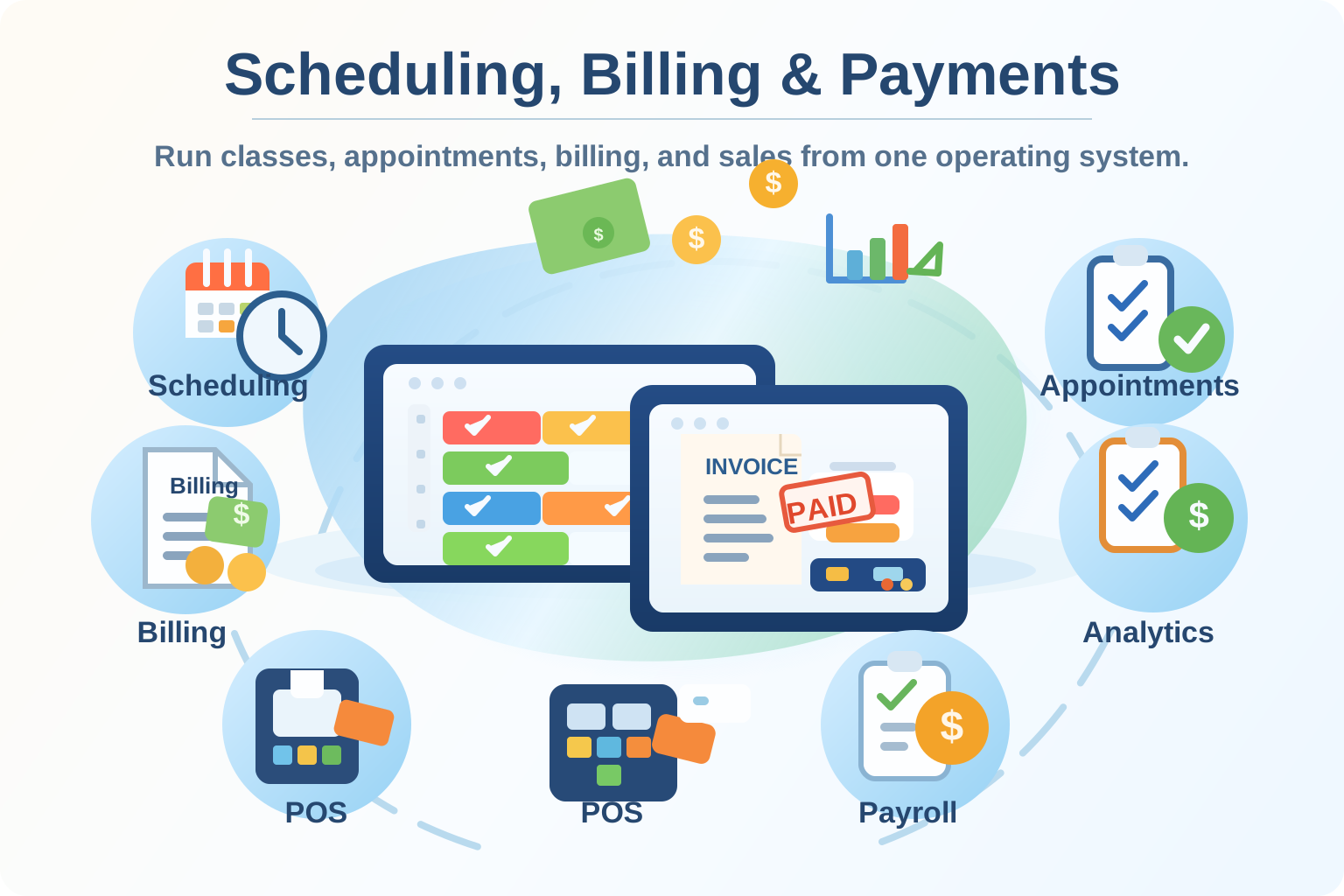
Payments
Separate processor boundaries from operational recovery workflows.
Recurring billing, failed-payment recovery, receipts, exports, and finance ownership stay clear.
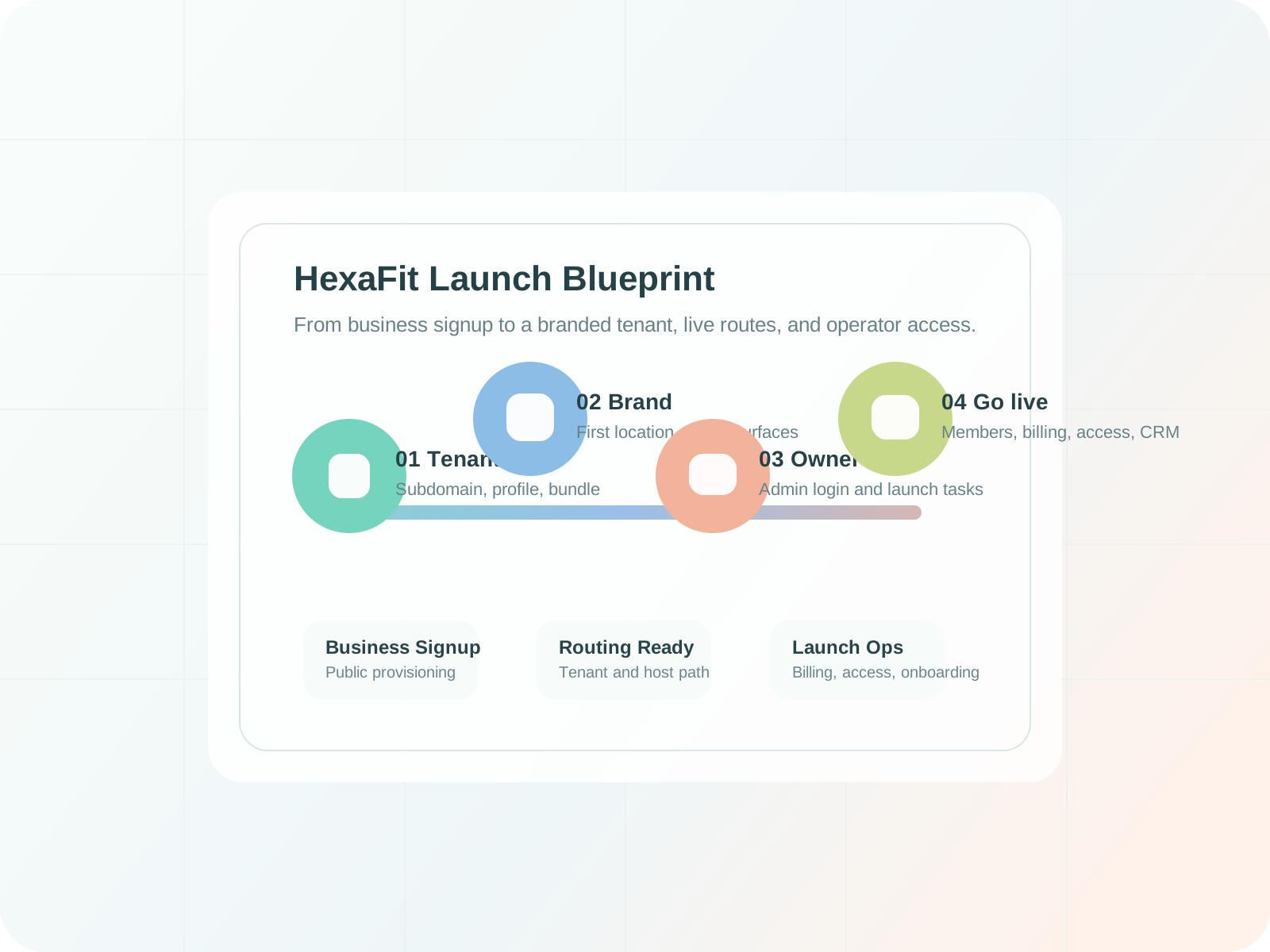
Migration
Show data movement, validation, and launch QA visually.
The review packet becomes easier to scan when migration and rollout checkpoints are visible.
RBAC review matrix
Portfolio admin: all locationsManager: assigned siteCoach: client/session scope
Audit trail review
Plan changedRole updatedPayment retry queued
Payment handoff
Autopay setupRetry workflowFinance export
Migration QA
Data mapPilot locationLaunch checklist
Data review
OwnershipExport pathRetention plan
Integration boundary
APIWebhookReporting
Review areas
The security conversation is organized by buyer question.
Each card is a concrete area to validate during enterprise discovery.
Identity and access
Role-based access, location roles, staff scopes, admin visibility, and enterprise identity planning.
Audit and accountability
Activity review, rollout QA, operational change visibility, and support handoff checkpoints.
Payment workflow review
Recurring billing, failed-payment recovery, POS workflow, receipts, exports, and processor boundaries.
Data and migration
Import mapping, data ownership review, launch validation, retention planning, and export expectations.
Integration boundaries
API, webhook, accounting, CRM, analytics, identity, access-device, and reporting requirements.
Customer evidence packet
Prepared area for approved security, implementation, uptime, and support documentation as it is formalized.
How should an enterprise rollout be staged?
Start with discovery, map the current stack, launch the highest-value workflows first, then expand by location or business line.
What should security review cover?
Review access roles, audit activity, payment flow, data handling, migration controls, support process, and integration boundaries.
Can integrations be scoped before purchase?
Yes. Payments, accounting, CRM, identity, reporting, webhooks, access devices, and data export requirements should be mapped before rollout.
How does HexaFit support predictable revenue?
Memberships create the baseline, recovery protects failed payments, and packages or add-ons expand monthly value.
What does a serious proposal include?
It should include scope assumptions, pricing track, launch plan, migration work, integration review, support path, and success criteria.
Where will customer evidence live?
Approved logos, quotes, case studies, and trust documents publish in the customer evidence library after real operators approve public use.